SEM and SEO in Digital Marketing
The marketing industry has undoubtedly witnessed a major transformation since the invention of personal computers. Personal computers enabled the internet to become part of daily life, and thus people began consuming digital content on a daily basis. This created limitless opportunities to reach an online audience. Therefore, many marketers expect digital marketing to be intertwined with all forms of business in the coming years. Internet search is one of the most important tools we have in today's digital world. People from all over the world use Google and similar search engines to learn things, find solutions to their problems, and gain in-depth understanding of topics they are interested in. As a result, regardless of whether you are a local brand or an online business, there is always a possibility that people are actively searching for you. According to 2019 data, Google announced that over 2 trillion searches are made per day. In addition, according to live internet statistics, 5.5 billion searches occur on Google daily (2019-2020). This corresponds to 63,000 queries per second.
Like technological advancements in almost every field worldwide, search capabilities are evolving at a logarithmic rate. This means there's a tremendous opportunity for businesses of all sizes to reach and connect with their target audiences. Businesses know that search engines can drive traffic to websites. This traffic is more than just physical traffic; it represents sales and potential customers. While there are other ways to be visible online, Google is a leader in optimizing your marketing spending. This is primarily due to its large user base and market share, but Google isn't alone in this market competition. Other major companies sharing the search network market include Verizon Media, Yahoo, Bing Ads, Microsoft, and Yandex Direct.
Unfortunately, there's a dilemma you'll face as a business when using search engines to grow and achieve higher traffic. Which tool should you use to direct your energy and budget towards driving user traffic to your site? SEO or SEM? In other words, will you choose search engine optimization or search engine marketing?
Synthesis Can Be a Good Choice to Avoid Contradictions:
Hybrid Strategy - A Combination of SEM and SEO
One of the applications where significant success can be achieved is this paid approach. In this scenario, it is recommended that businesses run paid campaigns to find which keywords perform best. This will give businesses the advantage of their websites appearing in important Google searches and for the most searched keywords.
First, Let's Understand SEO and SEM
Search engine optimization (SEO) and search engine marketing (SEM) are two of the most important digital marketing strategies today. These two strategies help businesses improve their online visibility and search performance.
SEO is the practice of optimizing web pages and content to achieve a higher ranking in search engine results pages (SERP). Marketers use various tactics to gain more visibility in search engines. Better search engine visibility attracts more organic traffic to the website. This means new potential customers. * SERP (Search Engine Results Page) is the name of the list of results that appears when you type a keyword and search on any search engine. The entirety of the results displayed on the screen when a search is performed is called the SERP page.
Types of SEO in Brief
1. Technical SEO:
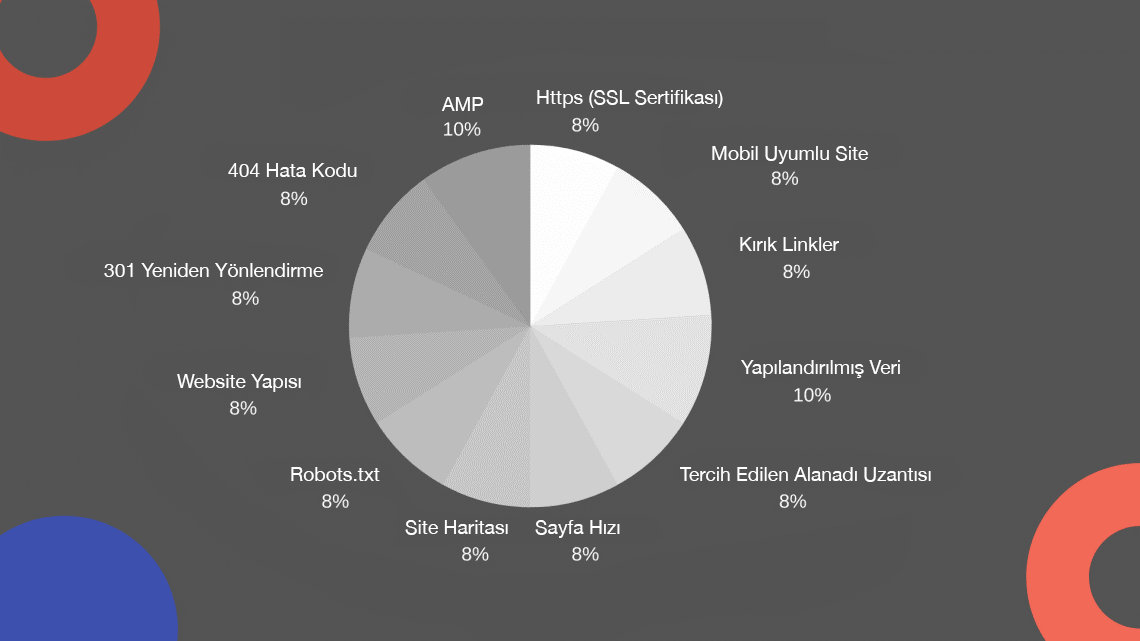
1. Crawling and JavaScript involve optimizing a website's elements for the indexing phase. The process aims to improve the website's search visibility, site loading speed, website architecture, user experience, structured data, and security. Since all these elements are not related to content, it is known as technical SEO.
2. On-page SEO:
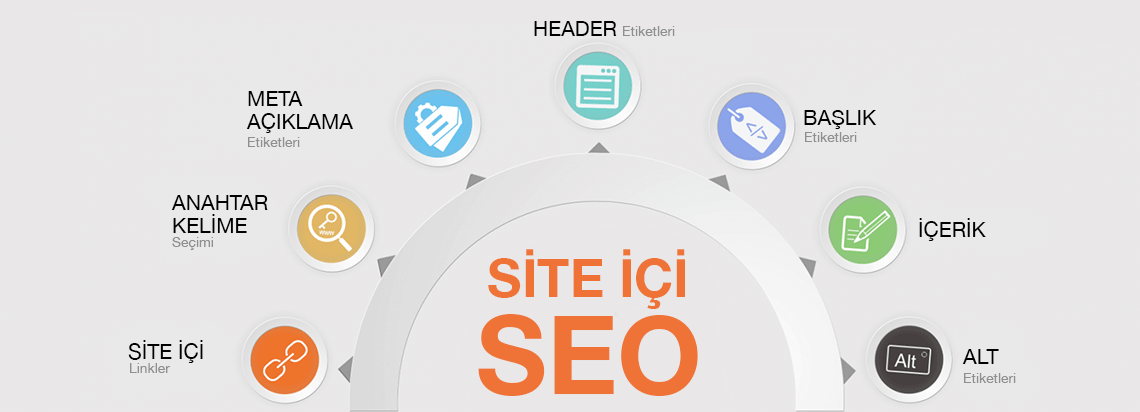
On-page SEO is the process of optimizing a keyword and the web pages that appeal to that search engine. On-page SEO techniques include publishing high-quality content relevant to your target audience, strategically including relevant keywords, optimizing HTML source code, optimizing images, and using tools like title tags and meta descriptions, and much more. A good SEO strategy increases online visibility with higher search engine and SERP rankings.
3. Off-page SEO:
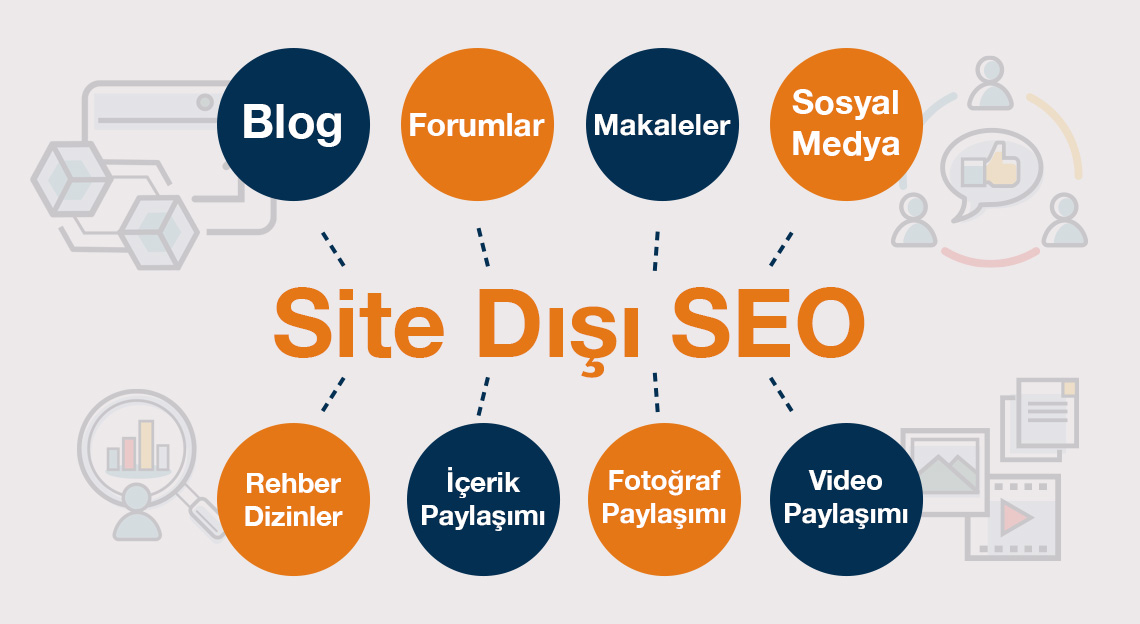
Google considers many off-page factors to determine a website's ranking. It's difficult for businesses to rank highly simply by producing high-quality content. In this case, websites can increase their effectiveness through guest blogging on relevant topics, quality backlinks, and brand recognition activities. This technique ultimately improves your website's Google rankings.
4. User Interaction:
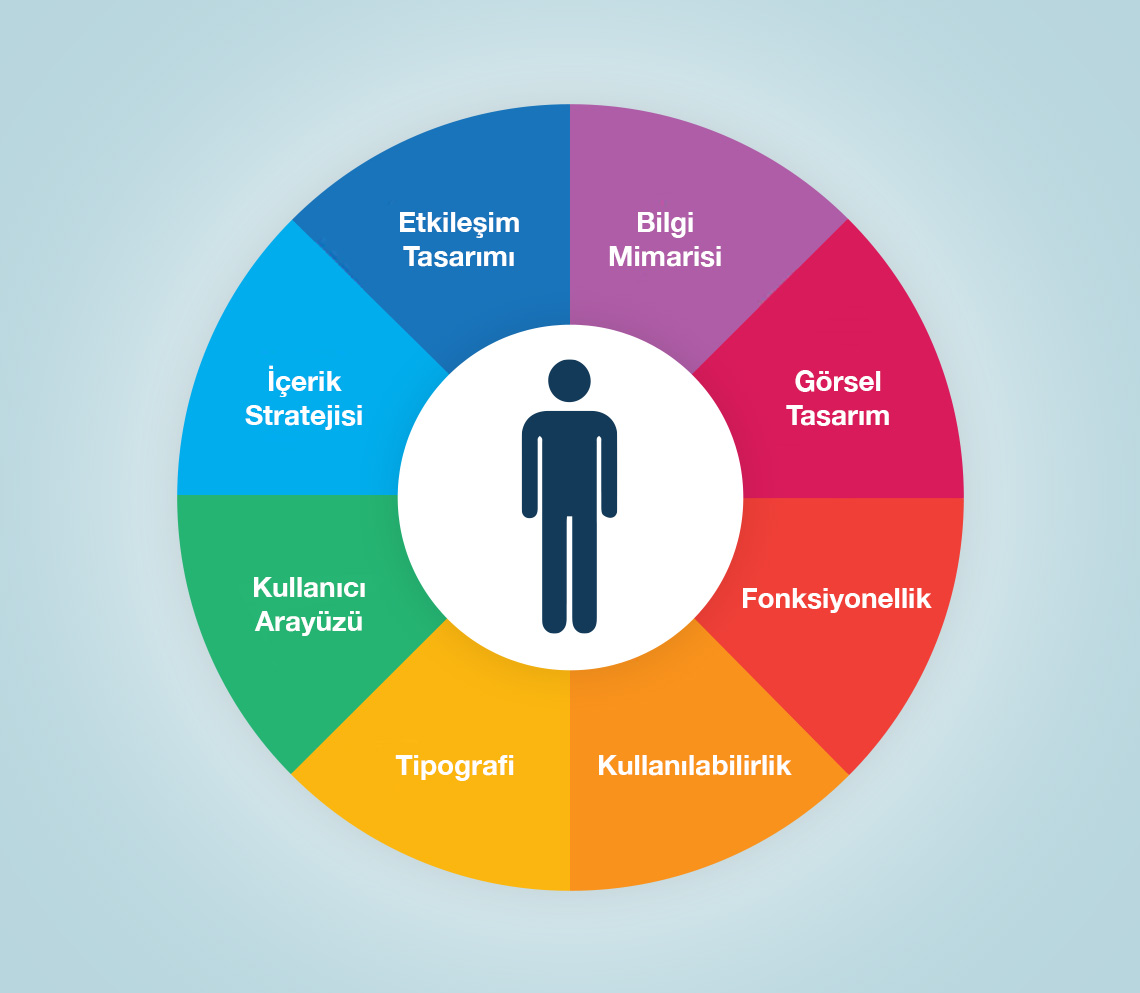
There are factors that help Google discover how users interact with your website and whether they find it relevant. For example, users leaving your site early is interpreted by Google as a sign that you are producing low-quality content or failing to provide relevant information. Therefore, if your webpage is recognized by Google as unsuitable for a particular keyword, the search engine will lower the page's ranking.
What about SEM?
SEM is a concept encompassing the marketing process of businesses that use paid advertising to achieve better rankings in search engine results. These paid strategies include Pay-Per-Click (PPC) ads or paid Google ads on platforms like Google My Business, etc.
1. Display-Based Advertising:
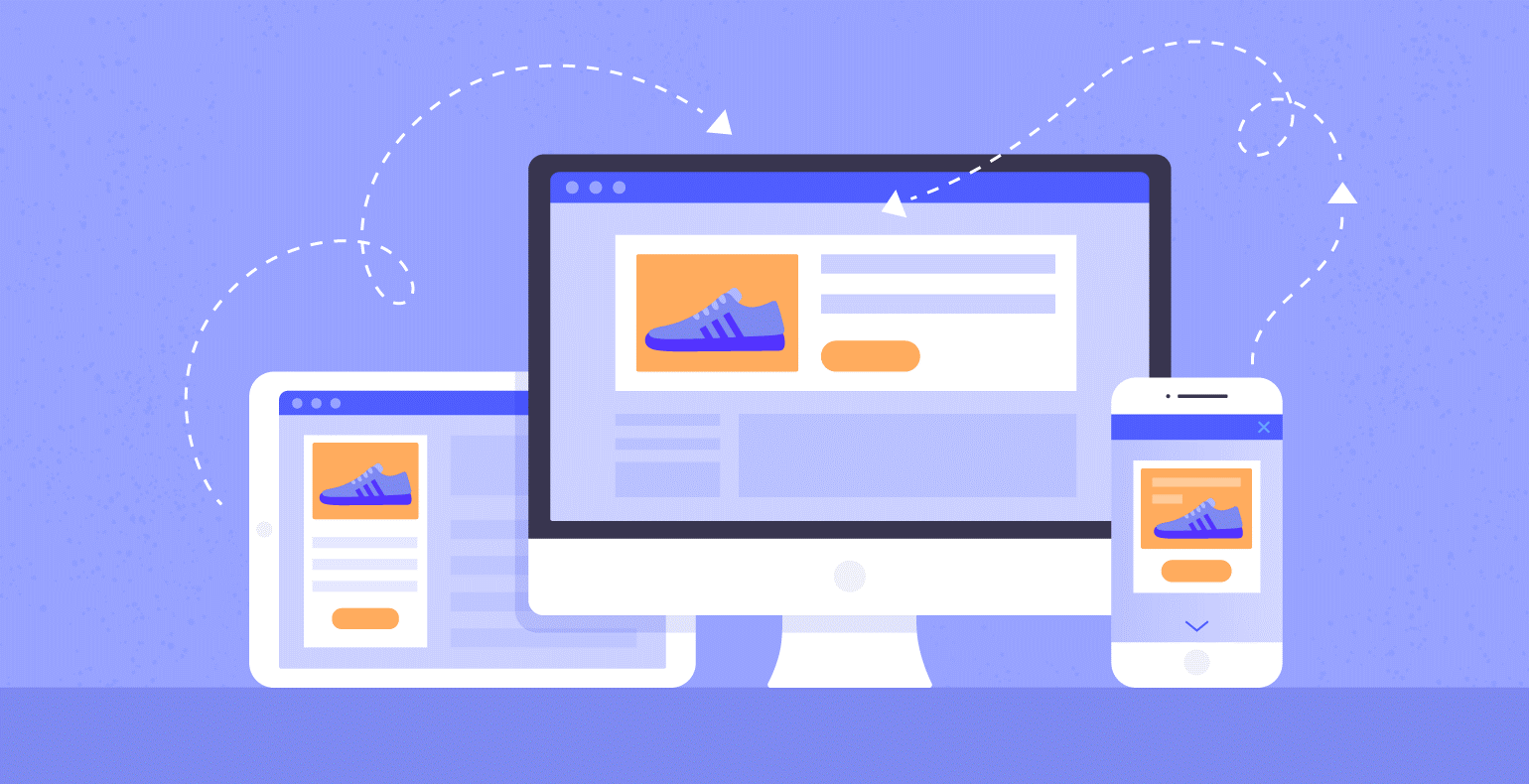
Digital advertising means raising awareness about your products and persuading users to buy those products or services through images, videos, or text-based content on various social media platforms or websites.
2. Pay-per-click (PPC):
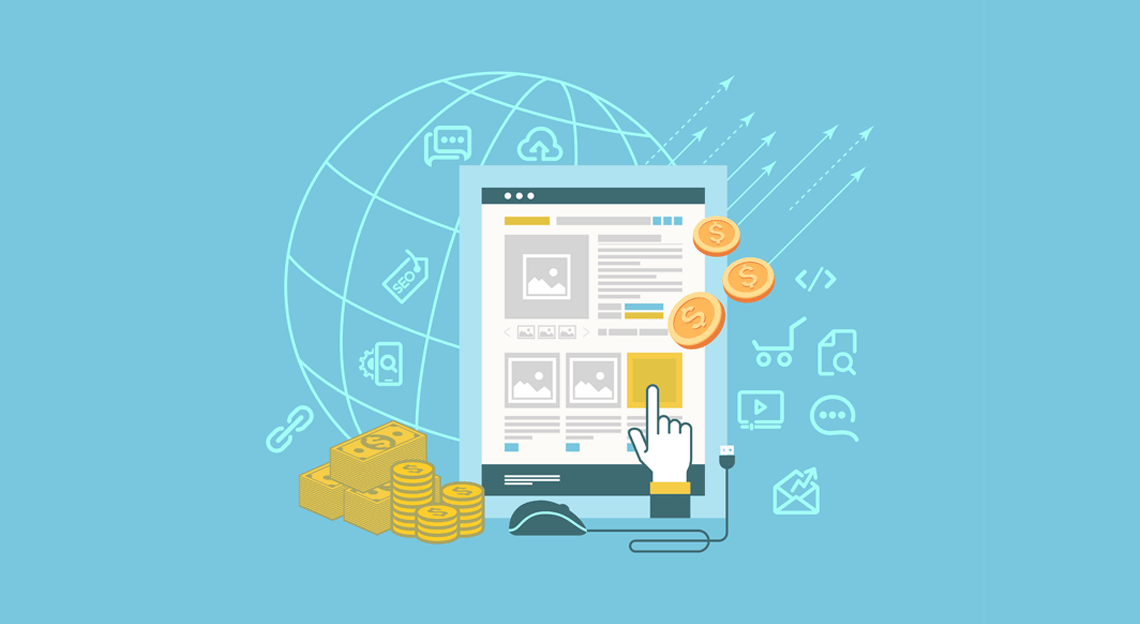
This is an online marketing model where marketers pay a certain fee to their websites or search engines like Google every time someone clicks on one of their ads. The strategy is useful for organically gaining user visits.
3. Remarketing:
Remarketing is a strategy of engaging with your existing customers by running new ads. These customers may already be registered on your apps or already interested in your website. Remarketing is extremely useful in building brand awareness.
Major Differences Between SEO and SEM:
SEO is a more cost-effective approach as an online marketing strategy because it aims to attract visitors organically without payment. Whereas SEM requires you to pay a specific fee per click.
SEM strategies are suitable for businesses that are relatively new and have no prior online presence. Furthermore, SEM strategies yield immediate results compared to SEO techniques. SEO techniques require significant sustained effort over a considerable period before tangible results are seen.
Higher Sustainability with SEO
A business that survives in the long term needs an equally reliable marketing strategy. Having a sustainable way to attract targeted visitors to your product page or company blog can be incredibly beneficial. And that's exactly what SEO is. While SEO doesn't guarantee you'll continue to receive traffic on autopilot for an extended period, it provides peace of mind that PPC marketing doesn't. Once you rank for a specific keyword, you can continue with the necessary on-page and technical SEO work to maintain your ranking. SEO can help you dominate a market segment with a more sustainable strategy. Furthermore, this sustainability can protect your business from extra costs in the future.
Wider Reach
Let's face it, no matter how well you know your audience, it's not easy to predict everything they'll type into search engines to find you. The number of search engine queries Google receives every day is in the billions. This means you're leaving a huge pile by focusing only on certain keywords. At this point, you should create the right keyword pool by identifying detailed keywords for your services and products, but also identify keywords that shouldn't be relevant to you within those billions of search queries and perform negative SEO. This is one of the extra methods that can be applied to increase the engagement rate of your target audience. When you focus on SEO, you gain a wider reach. The more high-quality content you publish on your website, the more people will find it. The more people find your site, the more traffic you'll drive to your product or service page. Unlike PPC, you're not limited by budget or the number of keywords you target.
Increase Brand Visibility
When trying to drive traffic to your website, it's crucial that you are seen by generally relevant people. Otherwise, getting a lot of visitors is meaningless for your main goals. While SEO allows you to ensure the right people visit your website, it's natural that this won't be entirely successful. However, PPC (Pay-per-click) ads don't work the same way. PPC ads only target users who are genuinely searching for your product or service.
Being seen by people interested in your business or brand helps increase your brand awareness. This indirectly affects the amount of business you receive. Many people may search for your product later, even if they don't click on your ads immediately. In both cases, paid advertising will be extremely useful in terms of appearing in front of your target audience and filtering out those who aren't part of it.
Conclusion
The best strategy for businesses is to combine both SEO and SEM techniques to achieve the desired results. Businesses can achieve the desired conversion if they can fine-tune their marketing campaigns according to specific needs and make their efforts sustainable.
For companies and service providers, understanding human behavior and trends has become even more important with the rise of digitalization. Alongside the positive effects of digitalization, the ability of data to explain human trends and behaviors is becoming increasingly complex, becoming the subject of new areas of expertise. Therefore, diversifying (SEO, SEM), synthesizing, and incorporating different dynamics into our strategies is valuable for keeping pace with the speed of digitalization and supporting your company's click-through trends.